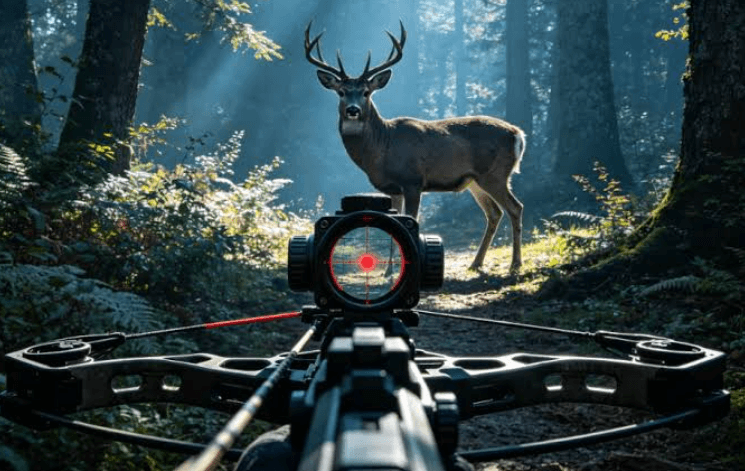
Developing a crossbow sighting system that performs reliably in real hunting conditions requires far more than adapting an existing rifle optic to a new mounting bracket. Understanding the design philosophy behind a dedicated Foreseen Optics crossbow sight product line offers useful insight for buyers evaluating manufacturing partners in this specialized category.
Starting With Real-World Use Cases
Studying Actual Crossbow Hunting Conditions
Effective product design begins with a genuine understanding of how crossbow hunters actually use their equipment, including typical shot distances, common weather conditions encountered, and the physical handling the equipment endures throughout a hunting season.
Incorporating Feedback From Experienced Users
Manufacturers who engage directly with experienced crossbow hunters during the design process, rather than relying purely on theoretical engineering assumptions, are better positioned to identify practical design considerations that might otherwise be overlooked.
Engineering Considerations Specific to Crossbow Platforms
Vibration Testing and Component Selection
Crossbow firing mechanisms generate vibration patterns that differ meaningfully from firearm recoil. Component selection, from internal circuit boards to lens mounting systems, must account for these specific stress patterns to prevent premature failure or zero shift over repeated use.
Reticle Calibration for Bolt Trajectory
Because crossbow bolts drop more significantly over distance compared to rifle bullets, reticle calibration requires careful ballistic consideration specific to typical crossbow bolt speeds and weights, rather than simply reusing rifle-oriented ballistic calculations.
Balancing Performance With Accessibility
Designing for a Range of Experience Levels
Crossbow sighting products serve a diverse user base, from experienced hunters seeking precise long-range capability to newer participants who prioritize simplicity and ease of use. Thoughtful product design accommodates this range without unnecessarily complicating the user experience.
Clear, Intuitive Adjustment Mechanisms
Windage and elevation adjustments should provide clear, tactile feedback and predictable movement, allowing users to confidently zero their equipment without excessive trial and error or confusion about adjustment increments.
Manufacturing Quality Assurance for Crossbow-Specific Products
Dedicated Testing Protocols
Rather than relying solely on standard firearm-oriented testing procedures, dedicated crossbow product testing protocols simulate the specific shock and vibration patterns these products will actually encounter in field use.
Consistency Across Production Batches
Maintaining consistent calibration and build quality across large production runs requires disciplined quality control processes, ensuring that a sight purchased today performs identically to one manufactured months later.
Further details regarding the engineering approach and available product options can be found through Foreseen Optics crossbow sight resources, which outline current offerings for retail and distribution partners.
Supporting Brand Partners With Technical Expertise
Guidance for Private Label Development
Brands developing their own crossbow accessory lines benefit significantly from manufacturing partners who bring genuine technical expertise to the conversation, helping avoid design decisions that look appealing on paper but create practical field performance issues.
Ongoing Product Refinement
Product development does not end once initial production begins. Manufacturers who track field performance data and customer feedback are better positioned to refine products over successive production runs, improving reliability and customer satisfaction over time.
See also: How to Improve Your Business Visibility with Local SEO in the UK
The Value of Category Specialization
Why Dedicated Expertise Matters
General optics manufacturers without specific crossbow product experience may overlook important design considerations that specialists have already identified and addressed through direct experience with this product category.
Building Long-Term Category Leadership
Manufacturers who continue investing in crossbow-specific research and development, rather than treating this category as a minor product line extension, are better positioned to maintain genuine leadership and credibility within this growing market segment.
Frequently Asked Questions
What makes crossbow sight development different from standard rifle scope design? Crossbow platforms generate different vibration patterns and require trajectory calibration specific to bolt ballistics, both of which demand specialized engineering consideration.
How is user feedback incorporated into crossbow sight product development? Manufacturers engaged with the hunting community often gather direct feedback from experienced users to identify practical design improvements before and after initial product launches.
Why is consistency across production batches particularly important for sighting products? Since precise zeroing depends on consistent internal calibration, any variance between production batches can undermine the reliability that users depend on in the field.
Conclusion
Developing a genuinely effective crossbow sight requires specialized engineering attention to vibration resistance, trajectory-appropriate calibration, and real-world usability. Buyers who understand this design philosophy are better equipped to evaluate whether a manufacturing partner offers genuine category expertise or simply repurposed general optics products.