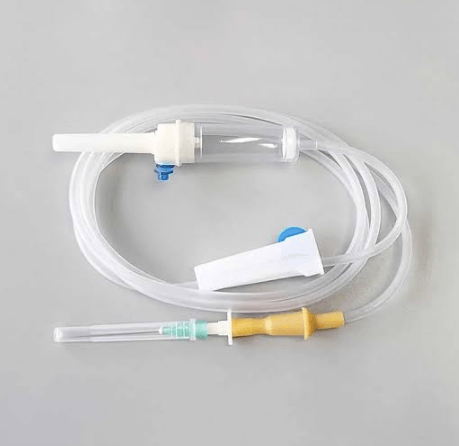
Beyond simply naming each component, it helps to understand IV set parts uses in the context of actual patient scenarios. This article ties each part to a specific clinical situation where it plays a starring role.
Drip Chamber in Rate Titration
When a physician orders a specific drops-per-minute rate, the drip chamber becomes the tool nurses rely on for manual titration, especially in facilities without electronic pumps on every bed.
See also: Defeating the Blank Page: Tech Frameworks for Outlining Complex Academic Papers
Injection Ports in Multi-Drug Regimens
Patients on multiple scheduled medications benefit from injection ports that allow quick administration without repeated venipuncture, reducing both discomfort and infection risk.
Roller Clamps in Emergency Slow-Down Situations
If a patient shows signs of fluid overload or an adverse reaction, the roller clamp is the fastest manual way to slow or stop flow while further assessment happens.
Air-Eliminating Filters in Long Infusions
For infusions running many hours, filters that catch microbubbles reduce the small but real risk of air-related complications over an extended session.
Secure Connectors in Mobile Patients
Patients who are ambulatory with an IV in place need connectors that won’t loosen with movement, making a properly locked Luer connection especially important.
Additional Resource
Pairing this scenario-based view with a full component reference on iv set parts uses gives staff both the why and the what in one place.
Frequently Asked Questions
Why do some patients need a secondary or piggyback port?
It allows intermittent medications to run alongside a continuous fluid line without needing a separate IV site.
Are filters necessary for every infusion?
Not always; they’re more commonly used for longer infusions or certain medication types where microbubble risk is higher.
What’s the fastest way to stop fluid flow in an emergency?
Closing the roller clamp is the quickest manual method, buying time before a full line change or reassessment.
Conclusion
Every IV set part earns its place in the design because of a specific clinical need it addresses. Connecting each component to a real-world use case makes the equipment far less abstract and much easier to manage confidently at the bedside.