Introduction
Metal structures are widely used in construction, transportation, infrastructure, marine equipment, and industrial facilities because of their strength and durability. However, exposure to moisture, oxygen, chemicals, and harsh environmental conditions can cause corrosion, reducing the lifespan and reliability of metal components. Protecting these surfaces from corrosion is therefore a critical requirement for industries that depend on steel and other metallic materials.
Among the various protective technologies available today, zinc-rich coatings have become one of the most effective solutions for preventing corrosion. These specialized coatings contain a high concentration of zinc particles that provide active protection to metal surfaces through a process known as sacrificial protection. Instead of allowing the underlying metal to corrode, zinc acts as a protective material that sacrifices itself to preserve the structural integrity of the coated surface.
With increasing demand for durable infrastructure and reduced maintenance costs, zinc-based coating systems are widely adopted in industries where long-term corrosion resistance is essential. Understanding their working mechanism, advantages, applications, and limitations helps manufacturers and engineers select suitable protection methods for different environments.
Understanding Zinc-Rich Coatings
What Are Zinc-Rich Coatings?
Zinc-rich coatings are protective surface treatments that contain a significant amount of metallic zinc powder within a binder system. These coatings are applied to steel and other metal surfaces to provide corrosion resistance.
The zinc particles create a protective layer that acts as a barrier between the metal surface and external environmental factors. More importantly, zinc provides electrochemical protection because it is more reactive than steel.
When corrosion conditions occur, zinc reacts first, protecting the underlying metal from oxidation.
How Do Zinc-Rich Coatings Work?
The effectiveness of zinc-rich coatings comes from two main protection mechanisms:
Barrier protection:
The coating layer prevents moisture, oxygen, and corrosive substances from reaching the metal surface.
Cathodic protection:
Zinc acts as a sacrificial anode. Because zinc is more chemically active than steel, it corrodes preferentially and protects the steel substrate.
This combination provides both physical and electrochemical protection, making zinc-rich systems highly effective in challenging environments.
Types of Zinc-Rich Coatings
Inorganic Zinc-Rich Coatings
Inorganic zinc coatings typically use silicate-based binders. They provide excellent durability, high-temperature resistance, and strong adhesion to properly prepared steel surfaces.
These coatings are commonly used in industrial structures, bridges, and heavy-duty applications where long service life is required.
Organic Zinc-Rich Coatings
Organic zinc coatings use epoxy, polyurethane, or other organic binders. They offer good flexibility, chemical resistance, and easier application compared with inorganic systems.
They are often used in environments where compatibility with additional coating layers is important.
Benefits of Zinc-Rich Coatings
Excellent Corrosion Resistance
The primary advantage of zinc-rich coatings is their ability to protect metal surfaces against corrosion. Their sacrificial protection mechanism provides long-term defense even when minor surface damage occurs.
This makes them suitable for structures exposed to rain, humidity, saltwater, and industrial pollutants.
Extended Service Life of Metal Structures
Corrosion can significantly reduce the lifespan of steel components. By protecting metal surfaces from oxidation, zinc coatings help extend the operational life of equipment and infrastructure.
Longer service intervals reduce repair requirements and lower maintenance expenses.
Self-Healing Protection
One unique characteristic of zinc-rich coatings is their ability to provide continued protection after minor scratches or surface damage.
Because zinc particles remain active around damaged areas, they can continue protecting exposed steel surfaces from corrosion.
Strong Adhesion
Properly formulated zinc-rich coatings create strong bonding with steel substrates. Good adhesion ensures that the protective layer remains effective even under demanding environmental conditions.
Applications of Zinc-Rich Coatings
Construction and Infrastructure
Steel bridges, buildings, towers, and industrial structures require reliable corrosion protection because they are often exposed to changing weather conditions.
Zinc-rich coatings are widely used in construction projects to improve durability and reduce long-term maintenance needs.
Marine Industry
Marine environments are among the most aggressive conditions for metal structures. Saltwater exposure accelerates corrosion and can quickly damage unprotected steel.
Ships, offshore platforms, pipelines, and marine equipment frequently use zinc-based protection systems to improve resistance against seawater corrosion.
Automotive and Transportation Equipment
Vehicles, railway components, and transportation infrastructure require coatings that can withstand mechanical stress and environmental exposure.
Zinc-rich coatings help protect metal parts from corrosion caused by moisture, road salts, and chemicals.
Industrial Equipment
Manufacturing plants often contain machinery and structures exposed to chemicals, humidity, and high temperatures.
Protective zinc coatings help maintain equipment performance and reduce downtime caused by corrosion-related failures.
Application Process of Zinc-Rich Coatings
Surface Preparation
Proper surface preparation is essential for achieving maximum coating performance. Steel surfaces must be cleaned to remove rust, oil, dirt, and other contaminants.
Methods such as abrasive blasting are commonly used to create a suitable surface profile for strong coating adhesion.
Coating Application
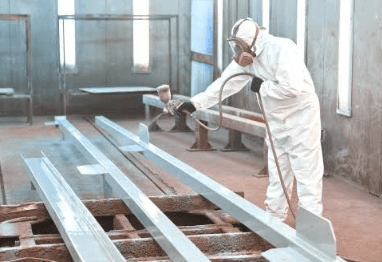
Zinc-rich coatings can be applied through spraying, brushing, or other industrial coating techniques.
The coating thickness must be carefully controlled because insufficient or excessive thickness may affect performance.
Curing Process
After application, the coating requires proper curing to develop its final protective properties. Environmental conditions such as temperature and humidity can influence curing quality.
Challenges Associated With Zinc-Rich Coatings
Although zinc-rich coatings provide excellent corrosion protection, they also have certain limitations.
One challenge is the requirement for proper surface preparation. Poor preparation can reduce adhesion and shorten coating lifespan.
Another consideration is application control. Zinc particles must remain evenly distributed throughout the coating to maintain consistent protection.
Some zinc-rich systems may also require additional topcoats for enhanced chemical resistance or improved appearance.
See also: What to Expect When Visiting an Oncologist for the First Time
Improving Performance Through Advanced Additives
Modern coating technologies continue to improve zinc-rich systems by incorporating advanced materials and additives. These improvements can enhance dispersion, stability, adhesion, and overall coating performance.
Materials such as silica-based additives are being studied for their ability to modify coating properties and improve resistance against environmental damage.
Industries looking for advanced corrosion protection solutions can explore technologies related to zinc-rich coatings to understand how modern formulations improve protective performance.
Future Trends in Zinc-Based Protection Technology
The future of corrosion protection is focused on developing coatings that provide better performance while reducing environmental impact. Researchers are exploring water-based systems, improved zinc formulations, and multifunctional coatings.
Sustainable manufacturing practices are encouraging industries to develop protective coatings with lower environmental risks while maintaining excellent durability.
As global infrastructure continues to expand, the demand for reliable corrosion protection solutions will continue growing. Zinc-rich coatings are expected to remain an important technology for extending the lifespan of metal structures worldwide.
FAQs
1. What makes zinc-rich coatings effective against corrosion?
Zinc-rich coatings provide protection through both barrier protection and cathodic protection. Zinc particles prevent corrosive substances from reaching steel and sacrifice themselves to protect the metal.
2. Where are zinc-rich coatings commonly used?
They are commonly used in bridges, marine structures, pipelines, industrial equipment, transportation systems, and steel construction projects.
3. Do zinc-rich coatings require maintenance?
Although zinc-rich coatings provide long-term protection, regular inspections and maintenance may be required depending on environmental exposure and application conditions.
Conclusion
Zinc-rich coatings are a reliable and effective solution for protecting metal surfaces against corrosion. Their unique ability to combine physical barrier protection with sacrificial zinc protection makes them suitable for demanding industrial and environmental conditions.
From infrastructure and marine applications to transportation and manufacturing, these coatings help extend the lifespan of valuable metal assets while reducing maintenance costs. As coating technology continues to advance, zinc-rich systems will remain an essential approach for achieving durable and sustainable corrosion protection.